Best Security Upgrades for Retail Stores

A retail security failure rarely begins with a dramatic break-in. More often, it starts with a blind spot at the loading door, a camera that cannot identify a face, a shared back-room key, or an alarm that is not actively monitored. The best security upgrades for retail stores address these everyday gaps before they become inventory loss, employee safety concerns, or costly downtime.
For Los Angeles retailers, the right system also has to work in real operating conditions: busy storefronts, deliveries after hours, employee turnover, multi-tenant buildings, and limited time to manage technology. The goal is not to add equipment for its own sake. It is to build a professionally installed system that gives owners and managers clear visibility, reliable alerts, and fast support when something goes wrong.
Start With the Risks Inside Your Store
Security upgrades should follow the way your store actually operates. A boutique with a single entrance has different needs than a liquor store, electronics retailer, pharmacy, warehouse showroom, or multi-location chain. Before selecting equipment, identify where merchandise moves, who has access after hours, where cash is handled, and which incidents would cause the greatest disruption.
Walk the property from the perspective of an employee opening the store, a delivery driver entering the rear, and someone attempting to enter without permission. Pay attention to customer entrances, side doors, stockrooms, receiving areas, cash-wrap counters, parking areas, and roof or gate access where applicable. A professional site assessment often finds weak coverage caused by poor camera placement or incomplete low-voltage wiring, not simply a lack of devices.
It also helps to separate security goals. Theft deterrence, incident verification, employee safety, access management, and fire/life-safety compliance are related, but they are not the same problem. The right design connects them without forcing a business to pay for unnecessary features.
Best Security Upgrades for Retail Stores
Upgrade to 4K IP Cameras With Useful Coverage
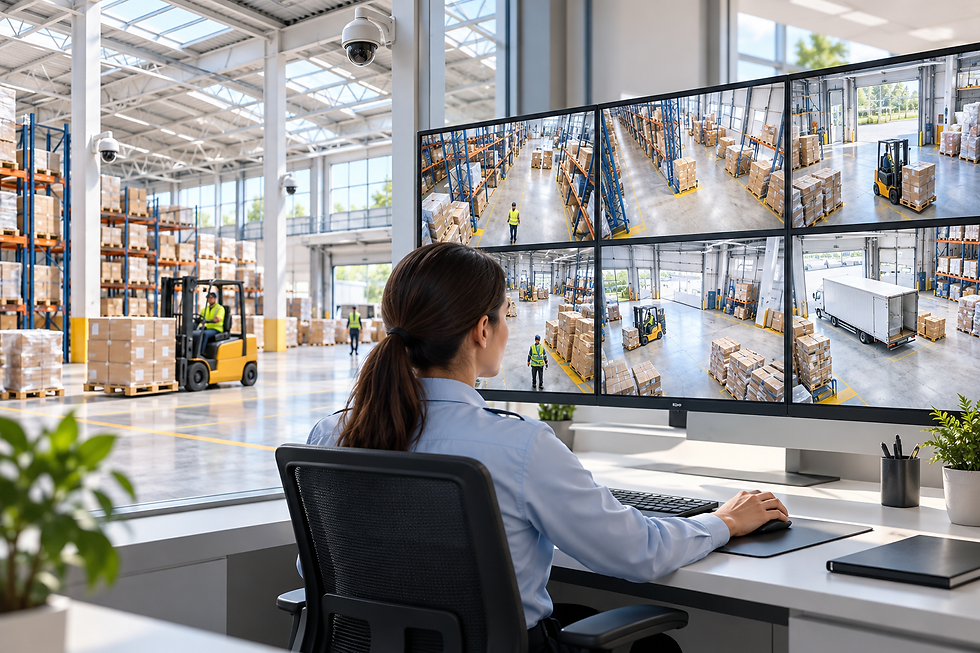
Older analog cameras and low-resolution systems may show that an event happened, but they often fail at the moment details matter. A modern 4K IP camera system can provide sharper images for identifying faces, clothing, vehicles, and transaction activity, especially when paired with proper lens selection, lighting, and camera placement.
Coverage matters more than camera count. A camera aimed at the front door should capture usable facial detail, not only the top of a person’s head. Cameras at registers should show the transaction area without exposing sensitive PIN entry information. Receiving doors, rear alleys, stockrooms, and high-value display areas need angles that record activity without being blocked by shelving, signage, or changing merchandise displays.
Remote viewing is a major operational benefit. Owners and authorized managers can check live and recorded footage from a phone or computer, whether they are at another location or responding to an after-hours alert. Motion-based notifications can help, but they need to be configured carefully. An improperly tuned system can create constant alerts from customers, street traffic, or changing light conditions, causing real events to get ignored.
For many retailers, the best approach is a mix of fixed cameras for key points and specialized cameras where the site demands them. A wide-angle camera may help cover a sales floor, while a tighter view is better for a rear entry or cash-handling area. Professional installation keeps the system organized, recorded footage accessible, and cabling protected from accidental damage or tampering.
Add a Professionally Monitored Burglar Alarm
Cameras document events. A burglar alarm is built to detect unauthorized entry and trigger a response. Door contacts, motion detectors, glass-break sensors, and panic devices can work together to protect a retail store during closed hours and, in some cases, while employees are on site.
Professional monitoring provides a critical layer beyond app notifications. If a door is forced open at 2:00 a.m., the system should not depend on an owner seeing a phone alert immediately. A monitored alarm can initiate a defined response process, while the owner or manager receives verification and updates according to the account setup.
The design should match the building. A store in a strip center may need particular attention at rear service doors and shared corridors. A freestanding location may need protection for multiple exterior openings, rooftop access, or detached storage. Wireless devices can be useful where construction limits cable runs, while hardwired devices are often preferred for long-term reliability when wiring is practical.
Do not overlook employee panic options. A fixed panic button at the counter or a discreet wireless device can provide an immediate way to request help during a threatening incident. These devices should be selected and placed with employee workflow in mind, then tested regularly.
Replace Shared Keys With Access Control
Mechanical keys create a simple but persistent problem: once copied or handed off, they are difficult to control. Access control replaces that uncertainty with managed entry. Employees can use key fobs, cards, mobile credentials, or coded entry to access stockrooms, offices, gates, receiving doors, and restricted areas.
The advantage is accountability. Instead of wondering who had a key, managers can review access events, set schedules, and remove credentials quickly when an employee leaves. This is especially valuable for businesses with shift workers, cleaning crews, vendors, delivery access, or multiple managers.
Access control does not have to mean installing readers on every door. In a small store, securing the rear entrance and stockroom may deliver the strongest return. In a larger operation, it may make sense to include office space, inventory cages, server closets, and exterior gates. The decision depends on the value of the assets behind each door and how frequently access needs to change.
Protect the Register, Stockroom, and Receiving Area
Retail loss is not limited to forced entry. High-risk areas often include the cash-wrap station, employee-only stockroom, returns counter, and receiving door. These locations benefit from coordinated camera coverage, access restrictions, alarm sensors, and clear operating procedures.
For example, a receiving-area camera should help document deliveries, shipment condition, and after-hours activity. A stockroom may need access logs and video coverage near high-value inventory, while the sales floor needs camera placement that discourages shoplifting without making customers feel watched from every angle.
Electronic article surveillance systems and inventory-control practices may also be appropriate for merchandise that is small, high-value, or frequently targeted. They are not a replacement for cameras and alarms. They work best as part of a layered plan that makes theft harder to attempt, easier to detect, and easier to investigate.
Improve Lighting and Visible Deterrence
A camera cannot capture useful video in poor lighting. Exterior lighting at entrances, rear doors, walkways, dumpster areas, and parking spaces improves image quality and can make employees feel safer when opening or closing. Motion-activated lighting can be useful in low-traffic zones, although steady lighting may provide more consistent camera footage in key areas.
Visible cameras, alarm signage, controlled access doors, and cleanly maintained hardware can discourage opportunistic crime. Deterrence is not a guarantee, but it changes the risk calculation for someone looking for an easy target. The installation should still be discreet where needed, particularly around sensitive business operations or areas where hidden coverage is legally and ethically appropriate.
Verify Fire Alarm and Life-Safety Readiness
Retail security planning should never overlook fire protection. A failing fire panel, trouble signal, damaged device, or outdated monitoring setup can create a serious compliance and safety issue. If your store has a fire alarm system, it needs timely inspection, repair, and monitoring support from qualified professionals who understand the urgency of life-safety service.
Security and fire systems may share wiring pathways, network infrastructure, and service needs, but each must be installed and maintained according to applicable requirements. Avoid treating fire service as an optional add-on or delaying repairs because the panel is still functioning intermittently. Trouble conditions need diagnosis, not guesswork.
Build a System That Can Grow With the Business
A low upfront price can become expensive if the system is difficult to repair, has no room for added cameras, or leaves cables exposed and unlabeled. Clean, labeled, rack-ready wiring makes future upgrades faster and helps technicians diagnose problems without disrupting business operations.
Ask practical questions before approving an upgrade: How long is video retained? Who receives alerts? Can access permissions be changed remotely? What happens during an internet outage? Is the equipment supported locally if a camera or panel fails? The answers often matter more than a feature list.
Cyber Shield Security designs retail systems around those operational details, from 4K surveillance and burglar alarm monitoring to access control, fire alarm support, and structured low-voltage wiring. The objective is clear: dependable protection that works when the store is open, closed, or facing an urgent issue.
The best next step is a site-specific assessment, not a generic package. When each camera, sensor, reader, and cable run has a clear purpose, your store gains more than equipment. It gains a system your team can rely on when it matters most.