Designing Fire Alarm Systems for Warehouses and Industrial Environments

Quick Overview
Fire alarm design in warehouses and industrial facilities goes far beyond standard building requirements. These environments demand systems that can perform reliably in large spaces, unpredictable airflow, and high-risk conditions.
Instead of relying on basic detection, modern industrial fire alarm systems are designed to identify threats early, deliver precise alerts, and support fast, organized response. From storage zones to production floors, every area requires a tailored approach to ensure safety is never compromised.
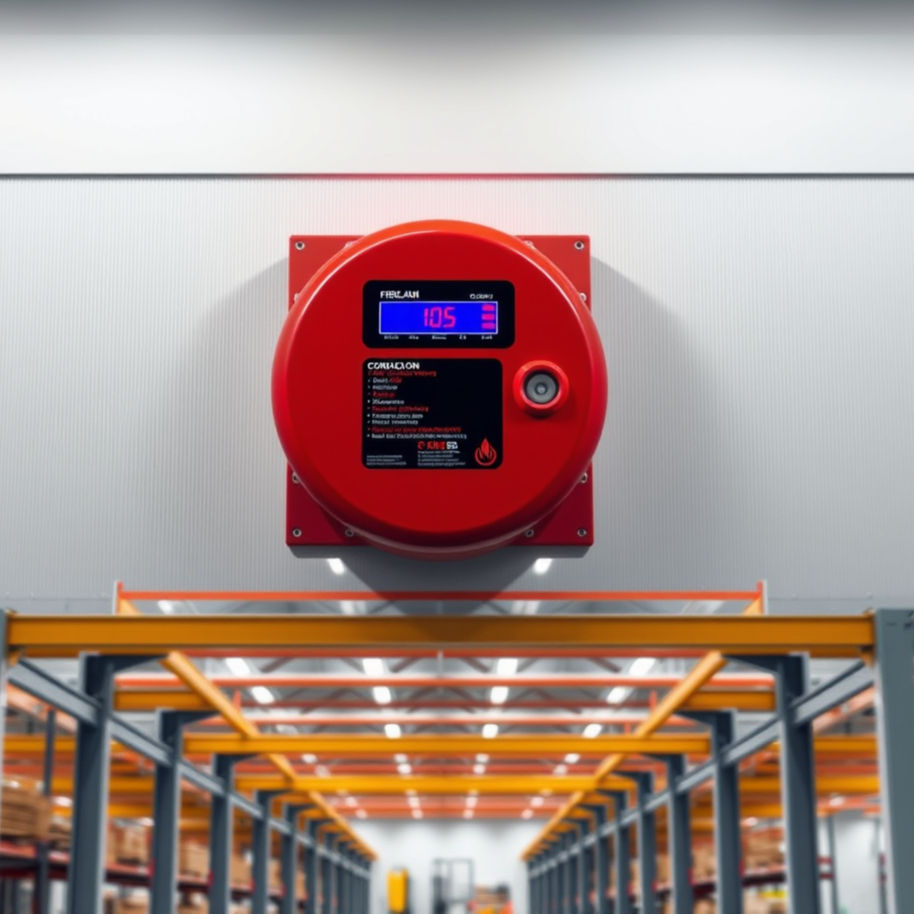
Why Industrial Environments Require a Different Approach
Warehouses and industrial sites behave differently when it comes to fire development.
High ceilings allow heat to rise and disperse before reaching detectors. Wide open spaces slow down smoke accumulation. Constant airflow from ventilation systems, loading docks, and machinery can redirect smoke away from detection paths.
At the same time, factors like dust, temperature changes, and heavy equipment movement can interfere with standard detectors. Because of this, system design must be intentional—built around how the environment actually behaves, not just how it’s structured.
Understanding the Risks in Industrial Facilities
Fire risks in industrial settings are more diverse and often more severe.
Facilities may include:
Large volumes of combustible storage such as pallets and packaging
Machinery that produces heat, friction, or sparks
Electrical panels and battery storage systems
Flammable liquids, chemicals, or specialized materials
Each of these introduces a different type of risk, which means detection and response strategies must be carefully planned for every zone.
Compliance and Standards That Guide System Design
Industrial fire alarm systems must meet strict regulatory requirements to ensure reliability and safety.
These standards define how systems should be:
Designed and installed
Tested and maintained
Monitored during operation
They also ensure alarms are clearly heard in noisy environments, systems remain functional during power loss, and detection devices perform consistently under real-world conditions.
Detection Technologies Designed for Large Spaces
No single detection method works for every industrial environment. Effective systems often combine multiple technologies.
Long-Range Beam Detection
Ideal for large, open areas with high ceilings, these systems detect smoke by monitoring interruptions across wide spaces.
Air-Sampling Detection Systems
These systems continuously pull air samples and analyze them for early signs of smoke, making them highly effective in complex or sensitive areas.
Video-Based Fire Detection
Using advanced imaging, these systems can identify smoke or flames at their source, especially useful in active work zones.
Multi-Criteria Sensors
By combining different detection elements, these sensors improve accuracy and reduce false alarms in dynamic environments.
System Integration for Faster Response
Modern fire alarm systems don’t operate alone—they work alongside other building systems to improve response time and safety.
Suppression System Coordination
Fire alarms monitor and support sprinkler or suppression system activation, ensuring immediate response to fire conditions.
Equipment and Ventilation Control
Systems can automatically shut down machinery, conveyors, or airflow systems to prevent fire spread.
Automated Safety Actions
Integrated systems can trigger lighting, unlock access points, and initiate emergency protocols without manual input.
Designing for High-Risk Zones
Certain areas within industrial facilities require specialized protection strategies.
Hazardous Material Storage
These zones require detection systems that can operate safely in volatile environments while providing fast response.
Electrical and Battery Areas
Detection must focus on early heat buildup and potential system failures before visible smoke appears.
Cold Storage Environments
Low temperatures and condensation require specially configured detectors that maintain accuracy in extreme conditions.
Each zone must be evaluated individually to ensure the right technology is applied.
Layout, Zoning, and Infrastructure Planning
A well-designed layout ensures fires are detected quickly and located accurately.
Smart Zoning
Dividing the facility into clear zones allows alarms to pinpoint exact locations, reducing response time and confusion.
Durable Infrastructure
Cabling and hardware must be protected against heat, moisture, and physical damage in demanding environments.
Strategic Panel Placement
Control panels and displays should be easily accessible for emergency responders, supporting faster decision-making.
Monitoring and Communication Systems
In large facilities, communication is just as important as detection.
Reliable Remote Monitoring
Dual communication paths ensure alerts are always transmitted, even during system disruptions.
Voice Evacuation Systems
Clear, spoken instructions help guide occupants safely, especially in noisy industrial settings.
Maintenance and Long-Term Reliability
A strong system design must be supported by consistent maintenance.
Routine Inspections
Frequent checks ensure systems remain operational and ready at all times.
Preventive Maintenance
Cleaning, calibration, and adjustments help maintain accuracy in challenging environments.
Full System Testing
Regular testing ensures all components function correctly and meet compliance standards.
Reducing False Alarms
Understanding environmental factors and using the right technology helps minimize unnecessary disruptions.
Designing fire alarm systems for warehouses and industrial facilities requires more than meeting basic requirements—it requires understanding how environments behave under real conditions.
At CyberShield, we focus on building intelligent, reliable fire alarm systems designed specifically for complex and high-risk spaces. By combining advanced detection, smart integration, and strategic planning, we help organizations create safer environments that are prepared for real-world challenges.


