Fire Sprinkler and Alarm Integration: How They Work Together

Fire sprinkler and fire alarm systems are most effective when they work together as one connected fire protection system. Instead of operating separately, integrated systems allow detection, suppression, monitoring, and emergency notification to happen in a coordinated sequence. This improves response time, strengthens life safety protection, and helps reduce fire damage during emergencies.
At Cyber Shield Security, integrated fire protection systems are designed to provide dependable communication between fire alarms, sprinkler systems, monitoring devices, and emergency notification systems for residential, commercial, healthcare, and industrial properties.
Understanding the Main Components of an Integrated
Fire Protection System
-Both sprinkler and alarm systems contain different components that work together during a fire emergency.
Fire Sprinkler System Components
Fire sprinkler systems are designed to control or suppress fire using automatic water discharge. Important components commonly include:
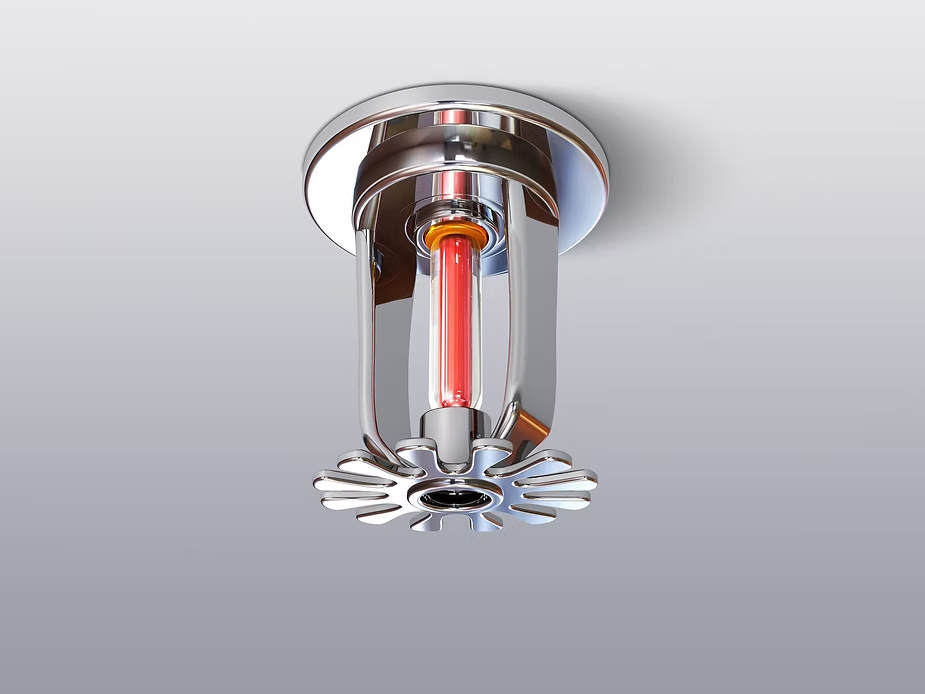
Sprinkler heads
Riser assemblies
Water supply connections
Control valves
Waterflow switches
Backflow preventers
Pressurized piping networks

Sprinkler heads activate individually when surrounding temperatures reach a certain level. Once water begins flowing through the pipes, waterflow switches immediately send signals to the fire alarm control panel.
Fire Alarm System Components
Fire alarm systems focus on detection, occupant notification, and emergency communication. Common components include:
Smoke detectors
Heat detectors
Manual pull stations
Fire alarm control panels
Horns and strobes
Voice evacuation systems
Supervisory monitoring devices
The fire alarm control panel acts as the central processor that receives signals from all connected devices and coordinates system response.

How Fire Sprinklers and Fire Alarms Work Together
-Integrated systems follow a coordinated sequence during emergencies.
1. Fire Detection Begins
Smoke detectors, heat detectors, or rate-of-rise sensors detect early signs of fire and send signals to the fire alarm control panel. The panel immediately processes the information and determines the appropriate emergency response.
2. Alarm Notification Activates
Once a fire condition is confirmed, the system activates:
Audible alarms
Visual strobes
Voice evacuation messages
Monitoring station notifications
This helps occupants respond quickly and begin evacuation procedures safely.
3. Sprinkler System Activation Occurs
When heat near a sprinkler head reaches its activation temperature, the sprinkler releases water directly over the affected area. Sprinklers do not all activate at once — only the sprinkler closest to the fire typically opens.
4. Waterflow Signals Are Sent to the Alarm Panel
As water moves through the sprinkler piping system, waterflow switches detect movement and send confirmation signals back to the fire alarm panel. The system then triggers additional emergency notifications and monitoring responses.
This synchronized communication allows fire detection, suppression, and occupant notification to happen at the same time.
Why Integration Between Fire Sprinklers and Alarms Matters
-Integrated systems provide several important safety advantages compared to separate systems operating independently.
Faster Emergency Response
Integration reduces delays between fire detection, occupant notification, and sprinkler activation. Faster response helps limit fire spread before emergency responders arrive.
Improved Occupant Safety
Early warning combined with automatic suppression gives occupants more time to evacuate safely while reducing smoke and heat exposure.
Better System Reliability
Integrated fire protection systems improve communication between devices and help reduce confusion caused by disconnected systems or incomplete emergency signals.
Real-Time Monitoring and Reporting
Modern integrated systems allow technicians and facility managers to monitor:
Waterflow activity
Valve conditions
Device status
Alarm history
Supervisory conditions
This improves maintenance visibility and helps identify system issues quickly.
Code Compliance Support
Integrated systems help properties comply with important fire safety standards and regulations involving:
Alarm communication
Sprinkler supervision
System testing
Emergency notification
Ongoing maintenance requirements
Technologies Used in Integrated Fire Protection Systems
-Modern integrated systems use advanced communication technologies to improve reliability and coordination.
Hardwired Integration
Hardwired systems use physical circuits to connect alarm devices, sprinkler monitoring equipment, and control panels. These systems provide highly stable communication and are commonly used in large commercial facilities.
Wireless Integration
Wireless systems use encrypted radio communication between devices. These solutions are often used in buildings where running additional wiring may be difficult or expensive.
Smart Fire Alarm Panels
Modern fire alarm control panels provide advanced programming, real-time event monitoring, and detailed system reporting. These panels help ensure emergency signals are processed quickly and accurately.
Building Management Integration
Many facilities connect fire protection systems to larger building management systems. This allows fire alarms, HVAC systems, access control, and emergency communication systems to work together during emergencies.
Common Buildings That Use Integrated Fire Protection Systems
-Integrated fire sprinkler and alarm systems are commonly used in:
Hospitals and healthcare facilities
Schools and universities
Commercial buildings
Warehouses and industrial sites
Hotels and hospitality properties
Multi-family residential buildings
Retail and office facilities
Large buildings especially benefit from integrated communication because emergency coordination becomes more complex as occupancy and building size increase.
Importance of Inspection and Maintenance
-Integrated fire protection systems require ongoing inspection and maintenance to remain reliable. Routine service helps ensure that communication between sprinkler systems and fire alarms continues functioning properly over time.
Regular maintenance may include:
Testing smoke and heat detectors
Inspecting sprinkler valves and piping
Verifying waterflow switch operation
Reviewing alarm panel logs
Checking emergency communication devices
Confirming supervisory signal performance
Proper testing also helps reduce false alarms and identify equipment issues before emergencies occur.
Choosing the Right Fire Protection Provider
Integrated fire alarm and sprinkler systems require proper planning, professional installation, and reliable long-term support. Working with experienced fire protection professionals helps ensure systems meet building requirements, safety standards, and operational needs.
At Cyber Shield Security, integrated fire protection solutions are designed to provide dependable detection, coordinated emergency response, reliable suppression performance, and long-term life safety protection for residential, commercial, healthcare, and industrial properties.


