Smart Flood Monitoring Systems: How IoT Water Level Sensors Improve Safety and Emergency Response

Flooding is one of the most destructive natural disasters homeowners and communities face. Rising water levels can quickly damage homes, businesses, roads, and critical infrastructure, often leaving little time to react. That's why early detection and real-time monitoring have become essential components of modern flood preparedness.
Advancements in Internet of Things (IoT) technology and intelligent water level sensors now allow communities to monitor changing water conditions continuously, providing faster alerts and helping emergency responders make informed decisions before floodwaters become dangerous.
At Cyber Shield Security, we understand that protecting people and property goes beyond traditional security systems. Smart environmental monitoring solutions, including water level sensors and flood detection technology, provide another layer of protection by helping homeowners, businesses, and communities prepare for unexpected flooding.
Why Real-Time Flood Monitoring Matters
Flood conditions can change rapidly. Heavy rainfall, overflowing rivers, blocked drainage systems, and storm surges can cause water levels to rise with little warning.
Real-time flood monitoring helps:
Detect rising water earlier
Improve emergency response
Support faster evacuations
Reduce property damage
Improve public safety
Having accurate information allows both homeowners and emergency personnel to respond before conditions become critical.

What Are Smart Water Level Sensors?
Water level sensors are intelligent monitoring devices that continuously measure the height of water in rivers, canals, drainage systems, reservoirs, retention ponds, and other flood-prone locations.
Instead of relying on manual inspections, these sensors automatically collect real-time measurements and transmit information to connected monitoring systems.
Modern IoT-enabled sensors allow users to remotely monitor changing water conditions from virtually anywhere.
How IoT Improves Flood Monitoring
Traditional flood monitoring often required personnel to visit multiple locations to manually measure water levels.
Today's IoT technology makes that process significantly faster and more efficient.
Connected monitoring systems can:
Continuously monitor multiple locations
Send instant alerts when water levels rise
Share real-time information across connected devices
Provide centralized monitoring through cloud platforms
This enables emergency managers to make faster decisions while reducing response times.
The Benefits of Remote Water Level Monitoring
Remote monitoring allows users to view current water levels without traveling to each monitoring site.
This offers several important advantages:
Faster Emergency Response
Real-time alerts allow emergency teams to begin preparations sooner.
Improved Resource Allocation
Authorities can quickly identify which locations require immediate attention.
Better Situational Awareness
Monitoring multiple locations simultaneously provides a broader picture of developing flood conditions.
Increased Safety
Personnel spend less time entering hazardous flood zones to collect information manually.
Choosing the Right Water Level Sensor
Different environments require different monitoring technologies.
Several sensor types are commonly used for flood monitoring.
Pressure Sensors
Pressure sensors are installed in direct contact with water and are well suited for monitoring:
Rivers
Wells
Reservoirs
Retention ponds
These sensors provide accurate water level measurements even during changing weather conditions.
Ultrasonic Level Sensors
Ultrasonic sensors measure water levels without touching the water itself.
They are ideal for:
Open drainage channels
Stormwater systems
Locations with floating debris
Wastewater applications
Their non-contact design reduces maintenance while providing dependable measurements.
Radar Level Sensors
Radar technology performs exceptionally well in harsh outdoor environments.
Radar sensors offer:
Long-range measurement
High accuracy
Reliable performance during severe weather
Minimal maintenance requirements
These sensors are commonly used in large-scale flood monitoring applications.
Float Switches
Float switches provide a simple and cost-effective solution for localized water level monitoring.
They are often installed in:
Sump pits
Water storage tanks
Pump stations
Small flood control systems
Although simpler than other technologies, they remain highly effective for many applications.
Supporting Smarter Flood Response
Real-time water level data helps emergency responders act quickly during severe weather events.
Accurate monitoring supports:
Earlier flood warnings
Better evacuation planning
Faster deployment of emergency personnel
Improved damage assessment
More efficient recovery efforts
By identifying high-risk areas sooner, communities can better protect residents and critical infrastructure.
Long-Term Benefits Beyond Emergency Response
Water level monitoring isn't only valuable during emergencies.
Historical sensor data also helps communities improve long-term planning by identifying:
Flood-prone locations
Seasonal water trends
Drainage system performance
Infrastructure improvement priorities
These insights support more resilient communities and better flood mitigation strategies over time.
Integrating Environmental Monitoring into Smart Security
Environmental monitoring can become part of a complete smart property protection system.
For example:
Water level sensors can work alongside flood alarms.
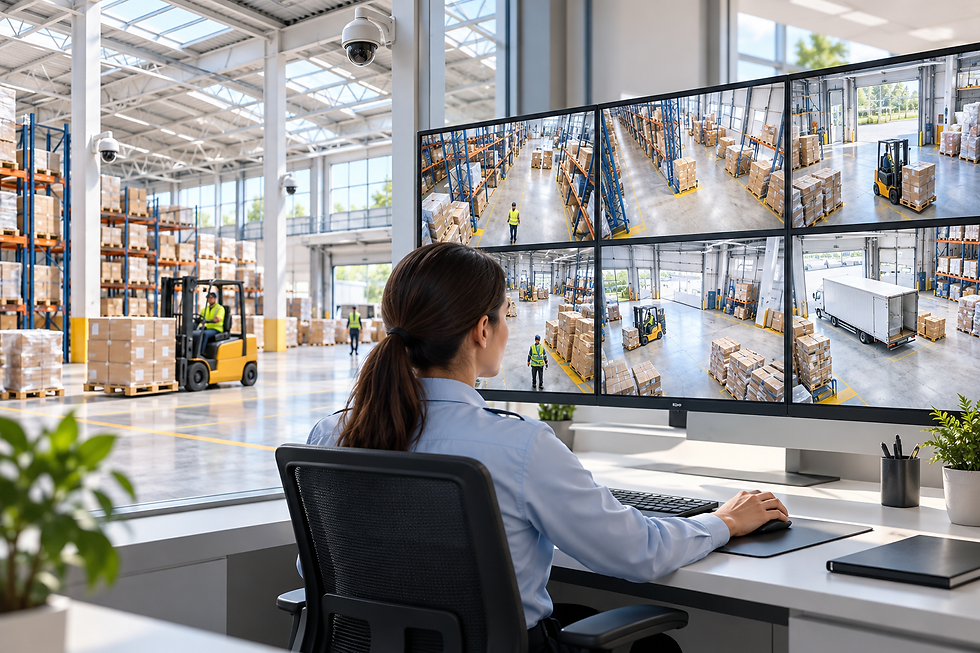
Security cameras can provide live visual verification of flooding.
Mobile apps can send instant notifications.
Smart automation systems can activate pumps or other protective equipment.
Property managers can monitor multiple locations from one centralized dashboard.
Together, these technologies create a more comprehensive approach to protecting homes, businesses, and communities.
Why Choose Cyber Shield Security?
At Cyber Shield Security, we provide intelligent monitoring solutions designed to protect people, property, and critical assets from both security threats and environmental hazards. Our smart technology combines real-time monitoring, advanced IoT devices, and professional installation to help customers respond faster when unexpected events occur.
Our smart monitoring solutions include:
Smart Environmental Monitoring – Real-time monitoring for water levels, flooding, temperature changes, and other environmental conditions.
IoT Water Detection Systems – Intelligent sensors that provide instant alerts when abnormal water conditions are detected.
24/7 Professional Security Monitoring – Around-the-clock protection with rapid emergency response.
AI-Powered Security Cameras – Live video monitoring with intelligent motion detection and remote access.
Smart Burglar Alarm Systems – Comprehensive intrusion detection for homes and businesses.
Smart Fire & Carbon Monoxide Detection – Advanced life safety monitoring with immediate alerts.
Smart Home & Business Automation – Connect environmental sensors, cameras, alarms, lighting, and access control into one easy-to-manage platform.
Professional Installation & Ongoing Support – Customized system design, expert installation, maintenance, and dependable technical assistance.
Whether protecting a home, commercial property, or critical facility, Cyber Shield Security delivers intelligent monitoring solutions designed to improve safety, reduce risk, and provide greater peace of mind.
Build a Smarter Approach to Flood Protection
Flooding can happen quickly, but smart monitoring technology gives homeowners, businesses, and communities valuable time to prepare. By combining IoT water level sensors, real-time monitoring, and intelligent alerts, today's flood detection systems help improve emergency response while reducing potential damage.
At Cyber Shield Security, we're committed to delivering smart monitoring solutions that protect more than just buildings—they help safeguard families, businesses, and entire communities. Contact our team today to learn how intelligent environmental monitoring can strengthen your property's safety and improve your emergency preparedness.